
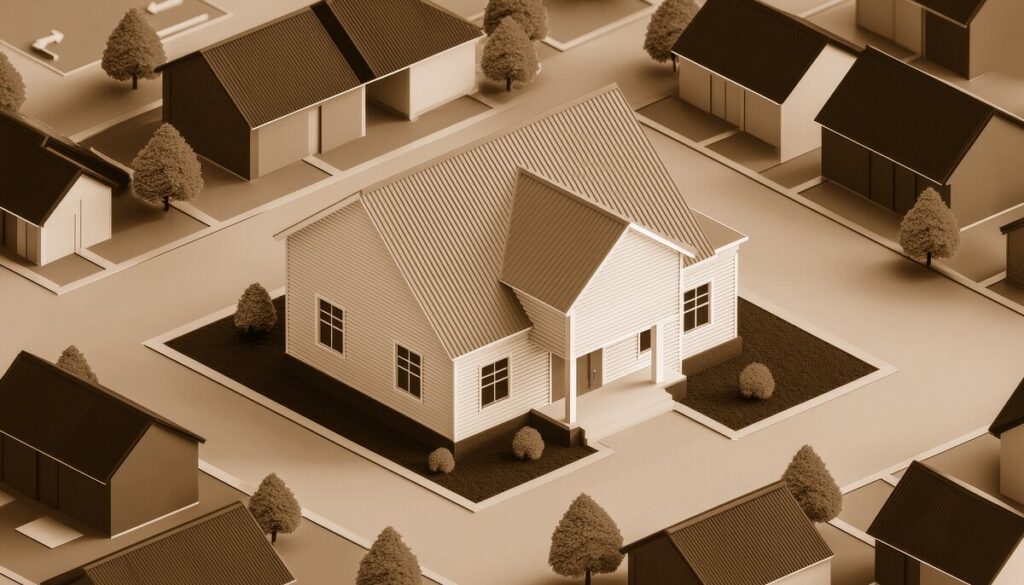
Nestled in the heart of central Hollywood, Florida, the Playland neighborhood is more than just a residential enclave: it is a living tapestry rich in history, character, and the warmth of generations. For those who call it home and for the many who have passed through its tree-lined streets, Playland stands as a testament to the enduring spirit of community, evolution, and local pride.
The Origins of Playland
The Playland neighborhood traces its origins back to the mid-20th century, an era of post-war prosperity and growth across South Florida. Hollywood itself was founded by Joseph Young in the early 1920s, but Playland emerged later, around the late 1940s and early 1950s, as the city continued to expand beyond its original grid.
The name “Playland” isn’t just whimsical — it reflects the community’s early vision as a place where families could flourish and, quite literally, play. During its first decades, the area was marketed as a haven for young families, with proximity to parks, schools, and recreational areas. Advertisements boasted wide streets, ample backyard space, and a sense of optimism embedded into its blocks.
How Playland Got Its Name
Unlike many neighborhoods named for aristocrats or distant places, Playland’s title came from its spirit. In the booming years after World War II, Hollywood’s developers looked to create enclaves with distinctive personalities. Playland promised safety, vibrancy, and something for everyone — and its name was an open invitation. The notion of “play” fit with the postwar baby boom and suburban ideal, where weekends meant baseball in the park, backyard barbecues, and children riding bikes along streets like Grant Street and Lincoln Street.
Key Historical Milestones
- 1950s: The First Wave of Residents
Early homeowners, often veterans taking advantage of the GI Bill, settled in modest, sturdy bungalows along the newly paved roads. Playland Elementary School (now part of Hollywood Central Elementary) opened its doors, further rooting the neighborhood’s identity around families.
- 1960s–1970s: Growth and Community Spirit
As Hollywood grew, so did Playland’s amenities. Frequent block parties and holiday parades became staples on Taylor Street, and small businesses flourished at the edges of the neighborhood. St. George Greek Orthodox Church, still a landmark today at 425 North 58th Avenue, was built and soon became both a spiritual and cultural anchor for the area.
- 1980s–1990s: Embracing Diversity
By the late 20th century, Playland reflected broader shifts in South Florida’s demographics, welcoming new residents from Latin America, the Caribbean, and beyond. The neighborhood’s streets grew more colorful, local grocers brought new flavors, and annual festivals celebrated the neighborhood’s blend of traditions.
- 2000s–Present: Renewal and Preservation
Today, much of Playland’s original mid-century architecture remains, intermingled with updated homes and flourishing gardens. Community pride endures, with long-standing residents working alongside newcomers to preserve the neighborhood’s special heritage.
Landmarks and Notable Institutions
While Playland is a compact neighborhood, it boasts several notable landmarks that have served as pillars of the community over the decades:
- St. George Greek Orthodox Church
More than just a place of worship, this church has hosted festivals, cultural events, and outreach programs. Its annual Greek Festival draws visitors from throughout Broward County.
- Dr. Martin Luther King Jr. Community Pool
Located right on Farragut Street, this pool has been a cooling oasis for generations and a hub for youth swim programs and summer camps.
- David Park Community Center
Just a short stroll from Playland’s residential heart, the David Park Center on Hollywood Boulevard hosts everything from after-school programs to senior socials, echoing Playland’s commitment to building connections.
- Lincoln Park
Although modest in size, this green space remains a favorite with neighborhood families for weekend picnics, little league games, and impromptu soccer matches.
Streets That Tell a Story
A walk along Playland’s streets—Grant, Lincoln, Farragut, and Cleveland—reveals the history layered in its architecture. Charming mid-century homes, often painted in sun-faded pastels, stand beside modern renovations. Old oaks and neatly trimmed palms shelter sidewalks where children have played for over seventy years.
Each block has stories to tell: the house where annual Halloween decorations have grown more elaborate since the 1960s, the corner lawn that hosts the neighborhood’s annual yard sale, and the mural on a utility shed, painted by local teens as part of a city youth initiative.
Community and Change
What makes Playland truly special isn’t just its history, but how it has managed change with grace and resilience. Though the world outside has shifted—new shopping centers, major highways, even hurricanes—Playland has kept its sense of belonging intact. The Playland Neighborhood Association, founded in the 1970s, still holds regular meetings at the community center, advocating for safety, beautification projects, and the preservation of local character.
New developments have brought young families, retirees, and professionals into the mix. Many homes now feature xeriscaped yards, reflecting a growing commitment to sustainability. Yet, the heart of Playland remains deceptively unchanged: porch swings still creak on balmy evenings, neighbors share fruit from backyard trees, and block parties continue under strings of glowing lights.
Looking to the Future
As Hollywood, FL continues to grow, Playland stands as a living lesson in the balance between honoring heritage and embracing the new. With its deep roots, community pride, and welcoming spirit, Playland offers a unique blend of past and present—the kind of place where history lives not only in buildings and street names, but in the stories shared over fences and at local gatherings.
For anyone seeking a neighborhood with soul, history, and heart, Playland remains one of Hollywood’s best-kept treasures.